

Unsafe food in India is a pressing issue that impacts health and safety across the nation. This article explores the challenges and exceptions in food regulation.
The Current State of Food Safety in India
The current state of food safety in India raises significant concerns among consumers and health experts alike. Reports indicate that unsafe food in India is not just a rare occurrence but a pervasive issue affecting millions.
Several factors contribute to this alarming situation:
- Poor regulation: Inadequate enforcement of food safety laws allows substandard products to enter the market.
- Lack of awareness: Many consumers are unaware of food safety standards and fail to recognize unsafe food practices.
- Poverty: Economic constraints force people to prioritize cost over quality, often leading them to consume unsafe food.
As a result, the prevalence of foodborne illnesses continues to rise, posing a significant threat to public health. Tackling these challenges is crucial for ensuring the safety and well-being of the population.
Challenges in Food Regulation
The issue of unsafe food in India is exacerbated by several challenges in food regulation. These challenges undermine the effectiveness of existing safety measures, leaving consumers vulnerable to health risks. Key factors include:
- Inadequate Infrastructure: Many regions lack the necessary facilities for proper food inspection and storage.
- Corruption: Bribery among officials can compromise the enforcement of food safety standards.
- Lack of Awareness: Many consumers are unaware of their rights regarding food safety, leading to exploitation.
- Regulatory Gaps: The absence of stringent regulations allows unsafe food products to enter the market.
As a result, the prevalence of unsafe food in India continues to pose significant health risks, raising concerns about public welfare and the integrity of the food supply chain.
Tukaram Mundhe’s Role in Food Safety
Tukaram Mundhe has emerged as a pivotal figure in the fight against unsafe food in India. As a dedicated food safety officer, he has been instrumental in implementing rigorous inspections and raising awareness about food quality standards. His proactive approach has led to the confiscation of numerous substandard food products that pose health risks to consumers.
Under Mundhe’s leadership, several initiatives have been launched to educate both vendors and consumers about safe food practices. He emphasizes the importance of transparency and accountability in the food supply chain.
Despite facing challenges from various sectors resistant to change, Mundhe’s relentless efforts highlight the critical need for improved food safety measures. His work serves as a reminder that, while unsafe food remains a pressing issue in India, committed individuals can make a significant difference.
Public Health Implications of Unsafe Food
The issue of unsafe food in India poses significant public health implications that cannot be ignored. Millions of individuals are at risk due to the consumption of contaminated and substandard food products. This situation is exacerbated by a lack of awareness and inadequate regulatory enforcement.
Health experts warn that the consequences of consuming unsafe food can be dire, leading to:
- Increased illness: Foodborne diseases are rampant, resulting in hospitalizations and fatalities.
- Economic burden: The healthcare costs associated with treating foodborne illnesses place a strain on families and public health systems.
- Long-term health issues: Prolonged exposure to unsafe food can lead to chronic conditions, affecting the quality of life.
Addressing these concerns is crucial for safeguarding public health and ensuring a safer food supply in India.
Comparative Analysis with Global Standards
In recent years, the issue of unsafe food in India has garnered attention, especially when compared to global standards. Various countries have established stringent food safety regulations that ensure consumer protection. In contrast, India faces numerous challenges in enforcing such standards effectively.
Countries like Japan and Germany have implemented rigorous testing and monitoring systems, which have significantly reduced foodborne illnesses. The Food Safety and Standards Authority of India (FSSAI) is striving to enhance its framework, yet inconsistencies remain.
The disparity in food safety practices highlights the need for India to adopt a more comprehensive approach. Key areas for improvement include:
- Regular inspections of food establishments
- Better public awareness campaigns
- Enhanced training for food handlers
As India grapples with the prevalence of unsafe food, a commitment to higher standards is essential for protecting public health.
Recent Legal Actions in Food Safety
In recent months, several legal actions have been taken to address the issue of unsafe food in India. Government agencies have ramped up inspections and have begun to enforce stricter penalties against food manufacturers who violate safety standards.
Some notable cases include:
- A crackdown on unlicensed street vendors who fail to adhere to hygiene regulations.
- Legal proceedings against major food brands accused of misleading labeling practices.
- Increased fines for establishments found selling contaminated products.
These actions have sparked a debate among policymakers and the public about the adequacy of current regulations. While some view these measures as a step in the right direction, others argue that they are merely a reaction to the persistent problem of unsafe food in India, rather than a comprehensive solution.
Community Awareness and Education
Community awareness and education play a crucial role in addressing the issue of unsafe food in India. Many consumers remain unaware of the dangers associated with contaminated food, which can lead to serious health problems. By fostering a culture of food safety, communities can empower individuals to make informed choices.
Initiatives aimed at educating the public about food hygiene, proper cooking methods, and the importance of sourcing food from reliable vendors can significantly reduce the risks associated with unsafe food. Local workshops and outreach programs have been effective in spreading knowledge, while collaboration with schools can instill good practices in children from an early age.
Moreover, involving community leaders in these efforts can amplify the message, encouraging a collective responsibility towards improving food safety standards. Only through awareness and education can we hope to combat the pervasive issue of unsafe food in India.
Future of Food Safety in India
The future of food safety in India hinges on collaborative efforts among government bodies, food producers, and consumers. As the prevalence of unsafe food in India continues to raise concerns, the need for stringent regulations and innovative solutions becomes increasingly urgent.
Key initiatives could include:
- Enhanced Monitoring: Implementing advanced technology for real-time monitoring of food quality.
- Public Engagement: Increasing community involvement through educational campaigns about food safety practices.
- Strengthened Regulations: Updating food safety laws to align with international standards and ensuring strict enforcement.
By fostering a culture of safety and accountability, India can significantly reduce the risks associated with unsafe food and pave the way for healthier communities.
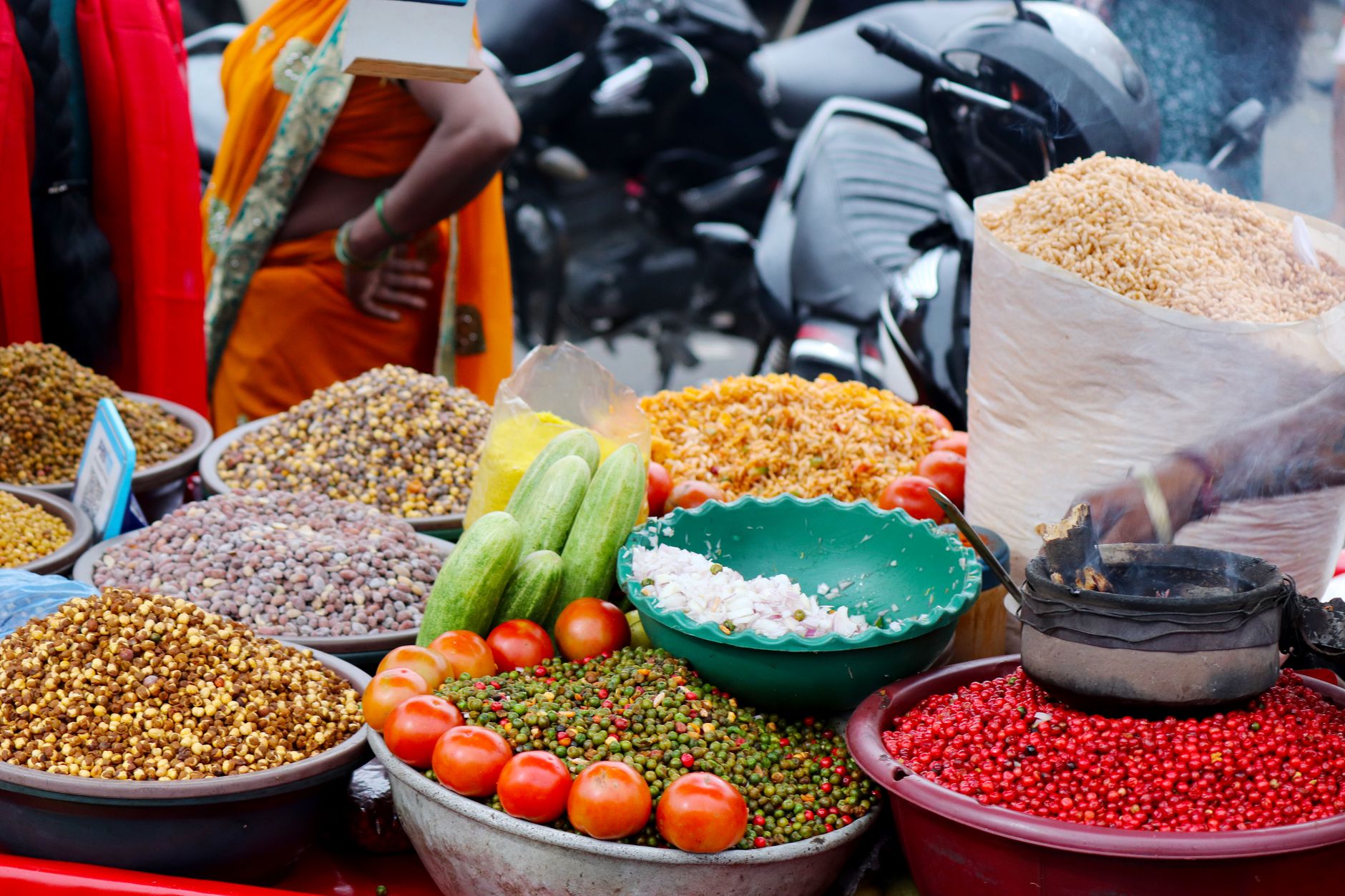
Photo by Sharath G. on Pexels
Where this came from
You might also like
Bitcoin SV Price Prediction: Best Quick Insights for BSV · Stock Markets Rebound: Quick Insights on Market Recovery · Fantastische Angebote mit https://rolldorado-bonus.de für ein unvergessliches Spielerlebnis entdecken