


Inflation data impact is being felt across Wall St, as recent reports heighten concerns about future interest rate hikes. Investors are reacting to the latest economic indicators and comments from the Fed.
Understanding Recent Inflation Data
Recent inflation data has stirred concerns among investors, leading to a dip in Wall Street. The latest reports indicate a rise in consumer prices, which has heightened worries about the Federal Reserve’s response. As the central bank closely monitors these trends, the potential for interest rate hikes looms large.
Key factors influencing the inflation data include:
- Supply Chain Disruptions: Ongoing issues in global logistics continue to affect product availability and pricing.
- Energy Costs: Fluctuations in oil prices have a direct impact on overall inflation rates.
- Labor Market Conditions: Tight labor markets are driving up wages, further contributing to inflationary pressures.
The implications of this inflation data impact are significant, as they may lead to shifts in monetary policy aimed at stabilizing the economy.
Federal Reserve Comments Explained
Recent comments from Federal Reserve officials have added to the uncertainty surrounding inflation data impact on the economy. Investors are concerned that persistent inflation could lead to further interest rate hikes, affecting market stability.
The Fed’s statements highlighted several key points:
- Inflation Trend: Officials noted that inflation remains above target levels, suggesting that aggressive measures may still be necessary.
- Interest Rate Outlook: Increased rates could be on the table if inflation does not show significant signs of easing.
- Economic Growth: The central bank emphasized the importance of balancing inflation control with supporting economic growth.
As a result, Wall Street closed lower, reflecting heightened fears about the implications of inflation data on future monetary policy.
Market Reactions to Economic Indicators
Wall Street faced significant tensions as the latest inflation data impact reverberated through the markets. Investors reacted sharply to the higher-than-expected figures, which intensified concerns over potential interest rate hikes by the Federal Reserve.
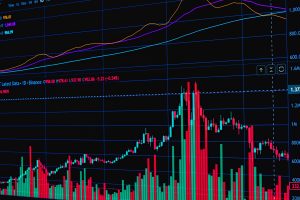
- Stock Performance: Major indices closed lower, with the S&P 500 dropping by 1.5% and the Nasdaq falling 2%. Investors fled to safer assets amid rising fears.
- Sector Variations: Financials and consumer discretionary stocks were particularly hard hit, while utilities showed some resilience as investors sought stability.
- Future Outlook: Analysts predict that if inflation trends continue, the Fed may need to take more aggressive action, further impacting market sentiment.
The uncertainty surrounding inflation data impact remains a critical focus for investors as they navigate the changing economic landscape.
Future Outlook for Wall Street
As Wall Street grapples with the latest inflation data impact, analysts are closely monitoring future trends that could influence market performance. Investors are particularly concerned about how persistent inflation might lead to tighter monetary policies from the Federal Reserve.
Several key factors are expected to shape the outlook:
- Interest Rate Adjustments: Anticipation of further interest rate hikes as the Fed responds to inflation pressures.
- Consumer Spending Patterns: Changes in consumer behavior could signal shifts in economic stability.
- Global Economic Conditions: International factors, including supply chain disruptions, may exacerbate inflationary trends.
Market analysts suggest that maintaining a keen eye on upcoming inflation reports will be crucial for investors navigating this volatile landscape.
Photo by Jakub Zerdzicki on Pexels