


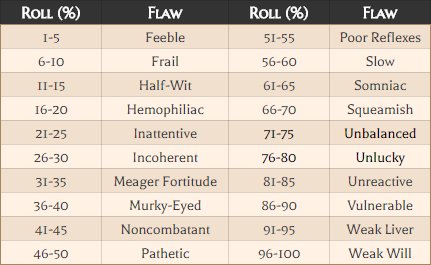
Exploring character depth in D&D is crucial, and addressing flaws adds a compelling dimension. From insecurities to impulsive tendencies, flaws enrich role-playing experiences by shaping engaging narratives. Incorporating dnd flaws seamlessly can breathe life into your character, forging a captivating journey through triumphs and setbacks. Embrace imperfections to create a well-rounded character that resonates with allies and adversaries alike. Challenge yourself to delve into the intricacies of flaws, unlocking a world of storytelling possibilities in your D&D adventures.

Exploring the World of Dungeons and Dragons Flaws
Introduction to D&D Flaws
Dungeons and Dragons, also known as D&D, is a popular tabletop role-playing game where players create characters and embark on thrilling adventures in fantasy realms. In D&D, characters are not perfect heroes; they have strengths and weaknesses. One aspect of character creation that adds depth and complexity is incorporating flaws into their personalities.
Flaws in D&D represent imperfections, quirks, or vulnerabilities that make characters more realistic and interesting. These flaws can influence how a character behaves, reacts to situations, and interacts with others in the game world. In this article, we will delve into the fascinating world of D&D flaws, exploring their significance and impact on gameplay.
The Role of Flaws in Character Development
Creating a character with flaws is an essential part of developing a rich and engaging persona for your D&D adventures. While it’s tempting to only focus on a character’s strengths, flaws add layers of depth and nuance that can make them truly unforgettable.
Flaws can come in various forms, such as physical limitations, psychological weaknesses, moral dilemmas, or even quirky behaviors. These imperfections help players connect with their characters on a deeper level and provide opportunities for character growth throughout the game.
Physical Flaws
Physical flaws are visible imperfections that can affect a character’s abilities or interactions in the game. For example, a character with a missing limb may struggle in combat or face challenges in certain situations that require physical prowess. These flaws add a sense of realism and vulnerability to the character, making them more relatable to players.
Psychological Flaws
Psychological flaws delve into the mental and emotional aspects of a character. These flaws can include fears, phobias, traumatic experiences, or personality traits that hinder the character’s actions or decision-making. Overcoming psychological flaws can lead to powerful character development arcs and impactful role-playing moments in the game.
Moral Flaws
Moral flaws are ethical dilemmas or character traits that challenge a character’s sense of right and wrong. Characters with moral flaws may struggle with decisions that test their values or principles, leading to complex moral dilemmas within the game. These flaws can spark intriguing role-playing opportunities and foster discussions about morality and ethics among players.
Impact of Flaws on Gameplay
The presence of flaws in a character can significantly impact gameplay dynamics and storytelling in a D&D campaign. Flaws create opportunities for character interactions, plot twists, and emotional moments that enrich the overall gaming experience.
Character Growth and Development
One of the most significant impacts of flaws is the potential for character growth and development. As characters face challenges related to their flaws, they have the opportunity to overcome obstacles, learn valuable lessons, and evolve over the course of the campaign. This journey of personal growth can be deeply rewarding for both players and Dungeon Masters.
Role-Playing Opportunities
Flaws provide unique role-playing opportunities for players to delve deeper into their characters’ personalities and motivations. By exploring how flaws influence their characters’ actions and relationships, players can create compelling narratives that bring their characters to life in exciting and unexpected ways.
Plot Twists and Challenges
Flaws can introduce plot twists and challenges that add suspense and drama to the game. Characters with flaws may face unexpected obstacles, make decisions that have far-reaching consequences, or grapple with internal conflicts that drive the storyline in new and exciting directions. These twists keep players engaged and invested in the unfolding narrative of the campaign.
Embracing Flaws in D&D
In the world of Dungeons and Dragons, flaws are not weaknesses to be avoided but strengths to be embraced. Embracing flaws can lead to memorable storytelling moments, character growth, and immersive gameplay experiences that captivate players and Dungeon Masters alike.
As you embark on your D&D adventures, consider incorporating flaws into your characters to add depth, complexity, and authenticity to their stories. Embrace the imperfections that make your characters unique, and watch as they evolve and grow in extraordinary ways throughout your gaming journey.
Make your D&D character Worse (to make it better)
Frequently Asked Questions
What are flaws in D&D character creation?
Flaws are negative aspects or traits that add complexity and depth to a character in Dungeons and Dragons. They can include physical weakness, emotional vulnerabilities, moral dilemmas, or any other shortcomings that make the character more interesting to role-play.
How do flaws impact the gameplay in D&D?
Flaws can influence how a character interacts with the world and other characters, providing role-playing opportunities and character development. They can also present challenges and obstacles for the character to overcome, adding depth and realism to the storytelling.
Can flaws be a source of character growth in D&D?
Absolutely! Overcoming flaws can be a significant part of a character’s arc and journey in Dungeons and Dragons. Facing and addressing flaws can lead to personal growth, development, and transformation, making the character more dynamic and engaging.
Final Thoughts
In conclusion, navigating through the realm of DnD flaws is essential for creating well-rounded characters. Embracing imperfections adds depth and complexity to your role-playing experience. Remember, flaws can be strengths in disguise, offering unique storytelling opportunities. Don’t be afraid to showcase vulnerabilities – they humanize your character and make the adventure more engaging. Embrace the challenges and intricacies that come with incorporating DnD flaws, and watch your character evolve in unexpected ways.