

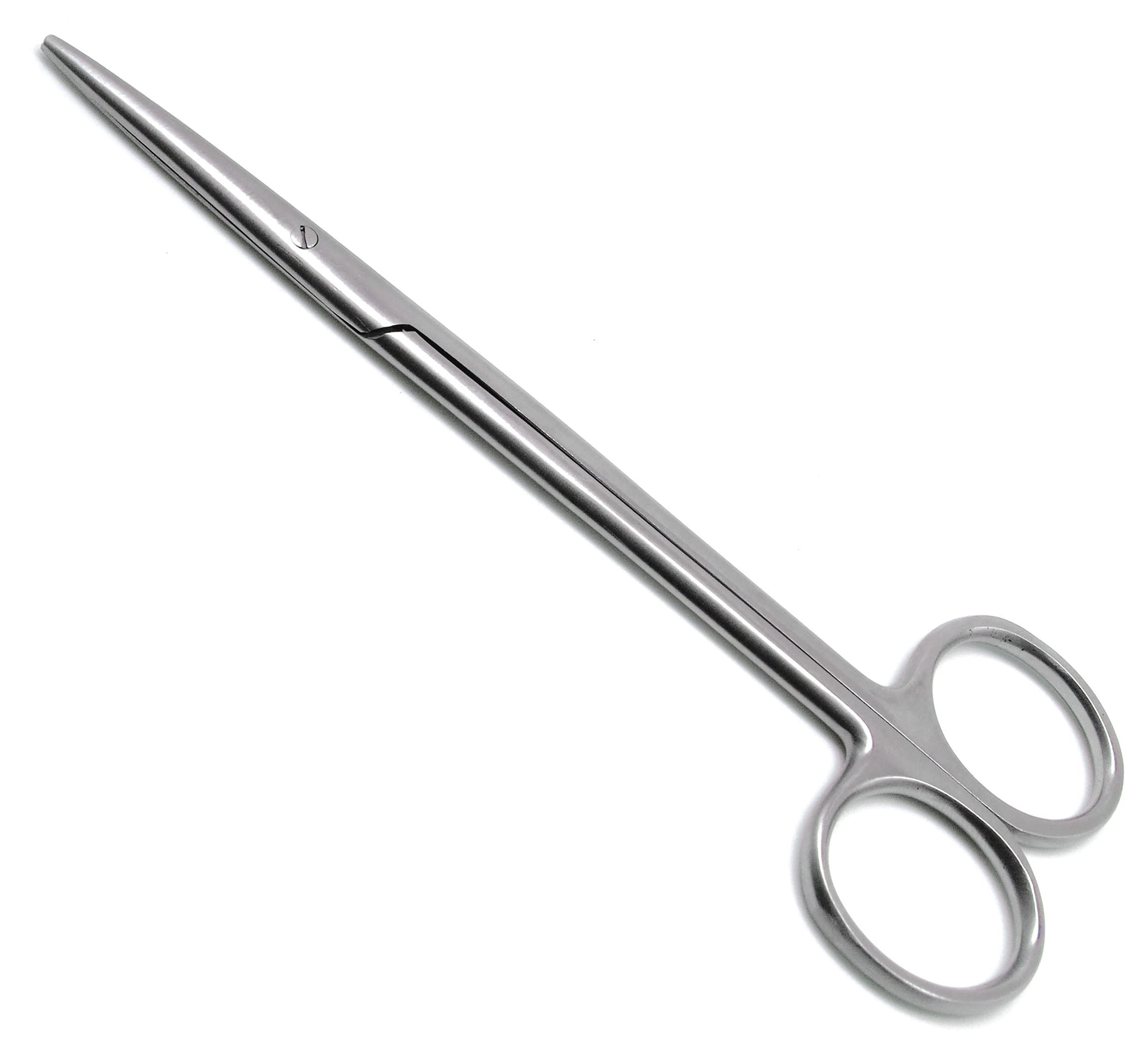
Precision, versatility, and reliability – these are the three words that effortlessly describe medical scissors. In the fast-paced world of healthcare, these tools play a crucial role in various medical procedures, from intricate surgeries to simple wound care. Designed with the utmost precision, medical scissors offer healthcare professionals the accuracy and control needed for precise incisions and delicate maneuvers. With their sharp blades and ergonomic handles, these scissors are a staple in every medical setting, ensuring the highest standards of patient care are met.

The Ultimate Guide to Medical Scissors: Your Essential Tool in Healthcare
Welcome to our comprehensive guide on medical scissors – the unsung heroes of healthcare! In the fast-paced world of medicine, these seemingly simple tools play a crucial role in patient care, surgery, and various medical procedures. Whether you are a healthcare professional, a medical student, or just curious about the tools used in medicine, this article will take you on a fascinating journey through the world of medical scissors.
Understanding the Importance of Medical Scissors
Medical scissors are versatile instruments that are used in a wide range of medical settings. From cutting bandages and sutures to performing delicate surgical procedures, these scissors are an essential tool for healthcare providers. Their sharp blades and precise design allow for clean and accurate cuts, minimizing the risk of infection and ensuring the best possible outcomes for patients.
The Anatomy of Medical Scissors
Medical scissors consist of two blades that are joined together at a pivot point. The blades can vary in size and shape depending on the specific purpose of the scissors. The handles of medical scissors are designed for a comfortable grip, allowing healthcare providers to use them with ease and precision.
Types of Medical Scissors
There are several types of medical scissors, each designed for a specific purpose. Let’s explore some common types of medical scissors and their functions:
Operating Scissors
Operating scissors, also known as surgical scissors, are used during surgical procedures to cut tissues, sutures, and other materials. These scissors have sharp, pointed tips that allow for precise cutting in hard-to-reach areas.
Iris Scissors
Iris scissors are small, delicate scissors that are commonly used in ophthalmic procedures and other delicate surgeries. They have fine tips that enable surgeons to make small and precise incisions.
Bandage Scissors
Bandage scissors are used to cut through bandages, dressings, and clothing during medical treatments. These scissors typically have a blunt tip to prevent injuries to the patient’s skin.
Choosing the Right Medical Scissors
When selecting medical scissors, it is essential to consider the specific requirements of the procedure or task at hand. Factors to consider include the type of material being cut, the size of the incision needed, and the comfort of the healthcare provider using the scissors.
Quality and Material
High-quality medical scissors are typically made from stainless steel, which is durable, easy to sterilize, and resistant to corrosion. It is essential to invest in scissors made from high-quality materials to ensure longevity and optimal performance.
Size and Blade Design
The size and design of the blades play a crucial role in the functionality of medical scissors. Choosing the right blade size and shape for the task at hand can help healthcare providers work more efficiently and effectively.
Comfort and Ergonomics
Comfort is another essential factor to consider when choosing medical scissors. Scissors with ergonomic handles and a comfortable grip can help reduce hand fatigue and improve the overall user experience.
Caring for Your Medical Scissors
Proper maintenance and care are essential to ensure the longevity and effectiveness of your medical scissors. Here are some tips for caring for your medical scissors:
Regular Cleaning
After each use, make sure to clean your medical scissors thoroughly with soap and water to remove any debris or biological material. Dry them completely before storing them to prevent corrosion.
Sharpening and Sterilization
Regularly sharpen your medical scissors to maintain their cutting efficiency. Additionally, sterilize your scissors using appropriate methods to prevent the spread of infections.
Proper Storage
Store your medical scissors in a clean and dry environment to prevent damage and contamination. Consider using protective covers or pouches to keep your scissors safe when not in use.
Medical scissors are indispensable tools in the world of healthcare, enabling healthcare providers to perform their jobs with precision and efficiency. Understanding the different types of medical scissors, selecting the right tool for the task, and caring for your scissors are essential aspects of using these instruments effectively. By following the tips outlined in this guide, you can ensure that your medical scissors remain in optimal condition and continue to serve you well in your medical practice.
We hope this guide has provided you with valuable insights into the world of medical scissors and their importance in healthcare. Remember, behind every successful medical procedure, there is often a trusty pair of medical scissors at work!
High-Quality Medical Scissor #MedicalScissors #SurgicalScissors #DoctorTools #PrecisionCutting
Frequently Asked Questions
What are the different types of medical scissors available?
There are various types of medical scissors used in healthcare settings, including operating scissors, bandage scissors, dissecting scissors, Iris scissors, and stitch scissors. Each type is designed for specific medical procedures and applications.
How do I choose the right medical scissors for a particular task?
When selecting medical scissors, consider the task or procedure you will be performing. For example, if you need to cut sutures, a pair of stitch scissors would be appropriate. Assess the size, blade type, and handle design based on the precision and control required for the task.
What are the common features to look for in high-quality medical scissors?
High-quality medical scissors usually have sharp, stainless steel blades that are durable and resistant to corrosion. Look for scissors with comfortable handles that provide a good grip to minimize hand fatigue during use. Additionally, consider the design and size of the scissors to ensure they meet the specific needs of the medical task.
Final Thoughts
In conclusion, medical scissors are essential tools in healthcare settings for precise and efficient cutting of medical materials. Their design and variations cater to specific medical procedures, ensuring safety and accuracy. Healthcare professionals rely on these instruments for various tasks, highlighting their significance in medical practice. Choose high-quality medical scissors to enhance your clinical performance and provide optimal care for patients.


