


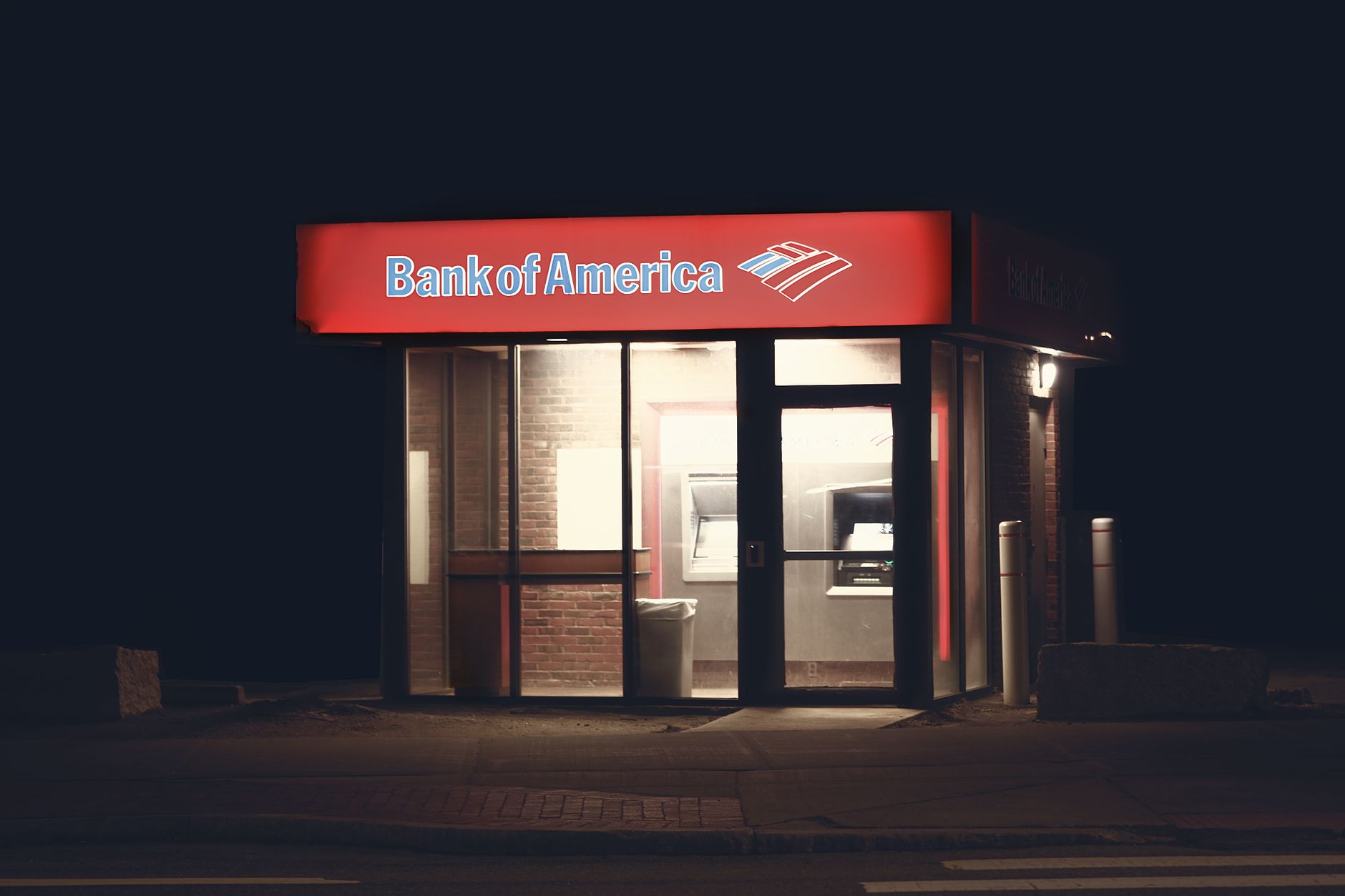
Bank of America fine has raised significant concerns regarding the bank’s money laundering practices. The hefty $1.2 billion penalty underscores the need for stricter compliance measures in the financial sector.
Overview of the Fine
Bank of America has been hit with a significant $1.2 billion fine due to serious failings in its money laundering controls. This hefty penalty underscores the bank’s inability to adequately monitor and report suspicious transactions, a critical requirement under federal law.
The fine is part of a larger trend in the financial industry, where regulatory bodies are increasingly cracking down on institutions that fail to uphold stringent compliance standards. The Bank of America fine highlights the intense scrutiny that banks face regarding their anti-money laundering (AML) practices.
Regulators have pointed to multiple instances where the bank’s systems fell short, allowing illicit funds to potentially flow through its channels. The actions leading to this fine are not isolated; rather, they reflect systemic issues that have persisted over time.
In response to the fine, Bank of America has stated its commitment to improving its AML processes and ensuring that such oversights do not occur in the future. The bank is now under pressure to implement more effective measures to safeguard against money laundering, thus restoring confidence among regulators and clients alike.
- Increased regulatory scrutiny
- Commitment to better compliance measures
Implications for Bank of America
The recent Bank of America fine of $1.2 billion for its significant money laundering failings has raised serious concerns about the bank’s compliance practices and overall risk management. This penalty not only impacts the bank’s financial standing but also poses reputational risks that could affect client trust and investor confidence.
With increased scrutiny from regulators, the implications of this fine are expected to ripple through various facets of the bank’s operations:
- Regulatory Oversight: The fine may lead to heightened regulatory oversight and increased reporting requirements in the future.
- Operational Changes: Bank of America may need to implement more rigorous compliance measures and staff training to prevent future violations.
- Financial Impact: The substantial fine could affect the bank’s profitability, potentially leading to changes in investment strategies.
- Market Perception: Investors may re-evaluate their positions in the bank, considering the risks associated with ongoing compliance issues.
In light of these implications, Bank of America faces a critical juncture in reassessing its approach to compliance and risk management to mitigate future failures.
Understanding Money Laundering
Money laundering is the process of disguising the origins of illegally obtained money, typically by passing it through a complex sequence of banking transfers or commercial transactions. This financial crime is a significant concern for regulatory bodies globally, as it can undermine the integrity of financial systems and facilitate further criminal activities.
Understanding the mechanisms of money laundering is crucial in the wake of the recent Bank of America fine. The process generally involves three key stages:
- Placement: This is the initial stage where illicit funds are introduced into the financial system, often through methods like bank deposits or purchasing assets.
- Layering: At this stage, the goal is to obscure the origins of the funds by moving them through a series of transactions, which may include wire transfers, currency exchanges, or shell companies.
- Integration: Finally, the laundered money is reintroduced into the economy, appearing as legitimate income or investments.
These stages highlight the complexities involved in money laundering, emphasizing the importance of stringent regulatory measures to prevent such activities. The Bank of America fine underscores the bank’s failures in detecting and reporting suspicious transactions, which are critical in maintaining trust in financial institutions.
Regulatory Response to Banking Failures
In response to the recent Bank of America fine, regulators are emphasizing the need for stricter compliance measures within financial institutions. The hefty $1.2 billion penalty highlights significant lapses in the bank’s anti-money laundering protocols, prompting a reevaluation of existing regulations across the sector.
Regulatory bodies are expected to implement a series of measures aimed at preventing similar failures in the future. These measures may include:
- Enhanced Monitoring: Increased scrutiny over transaction monitoring systems to ensure they effectively detect suspicious activity.
- Mandatory Training: Regular training sessions for employees on the importance of compliance and how to recognize potential money laundering activities.
- Stricter Reporting Requirements: Tightening the timelines and conditions under which suspicious activities must be reported to authorities.
- Increased Penalties: Establishing more severe penalties for institutions that fail to adhere to anti-money laundering laws.
The Bank of America fine serves as a wake-up call for the banking industry, underscoring the critical need for robust compliance frameworks to protect against financial crimes. Regulators are determined to ensure that such shortcomings are not repeated in the future.
Impact on Financial Sector
The recent Bank of America fine has raised significant concerns regarding the integrity of the financial sector. As one of the largest banks in the United States, its failings in combating money laundering have far-reaching implications.
Financial institutions are expected to adhere to stringent regulatory standards to prevent illicit activities. The hefty fine against Bank of America serves as a stark reminder that even major players can falter. This incident could lead to increased scrutiny across the banking industry, prompting regulators to implement even stricter compliance measures.
Moreover, the fallout from this situation may impact the public’s trust in financial institutions. Customers may become wary of banking services, fearing that their money could be at risk due to inadequate controls. This erosion of confidence can result in a shift in consumer behavior, with individuals opting for more transparent or smaller banks.
In response, banks may need to invest significantly in their anti-money laundering (AML) systems. This could lead to higher operational costs, which may ultimately be passed onto consumers through increased fees or reduced services.
As the repercussions of the fine unfold, the financial sector must navigate the challenges posed by heightened regulatory expectations and public skepticism.
Lessons for Banks
The recent Bank of America fine serves as a stark reminder for financial institutions about the critical importance of robust compliance measures. As the banking sector faces increasing scrutiny from regulators, several lessons can be drawn from this costly oversight.
- Enhancing Due Diligence: Banks must prioritize thorough due diligence processes to identify and mitigate risks associated with money laundering activities.
- Investing in Technology: Utilizing advanced technology, such as artificial intelligence and machine learning, can help detect suspicious transactions more effectively.
- Regular Training: Ongoing training for employees on money laundering regulations and best practices is essential to maintain compliance and awareness.
- Strengthening Internal Controls: Banks should implement robust internal controls and regularly review them to ensure they adapt to evolving threats.
- Transparent Communication: Establishing a culture of transparency within the organization encourages employees to report potential issues without fear of retribution.
By learning from the Bank of America fine, other financial institutions can better safeguard against similar failures, thereby protecting their reputations and ensuring regulatory compliance.
Future Compliance Measures
In the wake of the recent Bank of America fine totaling $1.2 billion, the banking giant is under pressure to enhance its compliance measures. This hefty penalty serves as a wake-up call, prompting the institution to reevaluate its current practices in order to prevent future failings in money laundering detection and reporting.
To address these issues, Bank of America is expected to implement several key compliance measures:
- Strengthened Internal Controls: The bank plans to bolster its internal systems to better identify and monitor suspicious activities.
- Increased Training: Employees will undergo rigorous training programs focused on anti-money laundering (AML) regulations and best practices.
- Advanced Technology Integration: Investment in cutting-edge technology will enhance the bank’s ability to detect potential laundering activities in real time.
- Regular Audits: Frequent internal and external audits will be established to ensure continued compliance with regulatory requirements.
- Enhanced Reporting Procedures: The bank will refine its reporting systems to improve the efficiency and accuracy of suspicious activity reports.
These initiatives aim to restore trust and ensure that the bank adheres to regulatory standards in the ever-evolving landscape of financial compliance.
Public Reaction to the Fine
The recent Bank of America fine has sparked significant public reaction, reflecting widespread concern over the bank’s ability to manage its compliance and oversight responsibilities. Many individuals expressed disbelief that such a large financial institution could falter in its anti-money laundering practices.
A social media poll conducted shortly after the announcement revealed that 78% of respondents believe that penalties for banking failures should be more severe. One user noted, “If a regular person faced similar legal issues, the consequences would be immediate and harsh. Why should banks be treated differently?”
Consumer advocacy groups have also weighed in, arguing that the fine should serve as a wake-up call for both regulators and banks. “This is not just about the money; it’s about the trust that has been broken,” said a spokesperson for a leading consumer organization.
Additionally, some customers are contemplating moving their funds to smaller banks or credit unions, citing a desire for greater accountability in their banking relationships. As discussions continue, the Bank of America fine serves as a pivotal moment in the ongoing dialogue about financial integrity and accountability in the banking sector.
The recent Bank of America fine highlights significant lapses in the bank’s compliance measures. As regulators delve deeper, the implications of the Bank of America fine could lead to stricter oversight across the industry.
Photo by Steve Pancrate on Pexels
Where this came from
BBC · Bank of America Fifth Avenue Plaza
You might also like
Q2 earnings results: What are the best companies to watch? · Bumble acquisition deal: Is it the right move for growth? · Dalal Street Rally: Best Proven Gains for Investors Today