


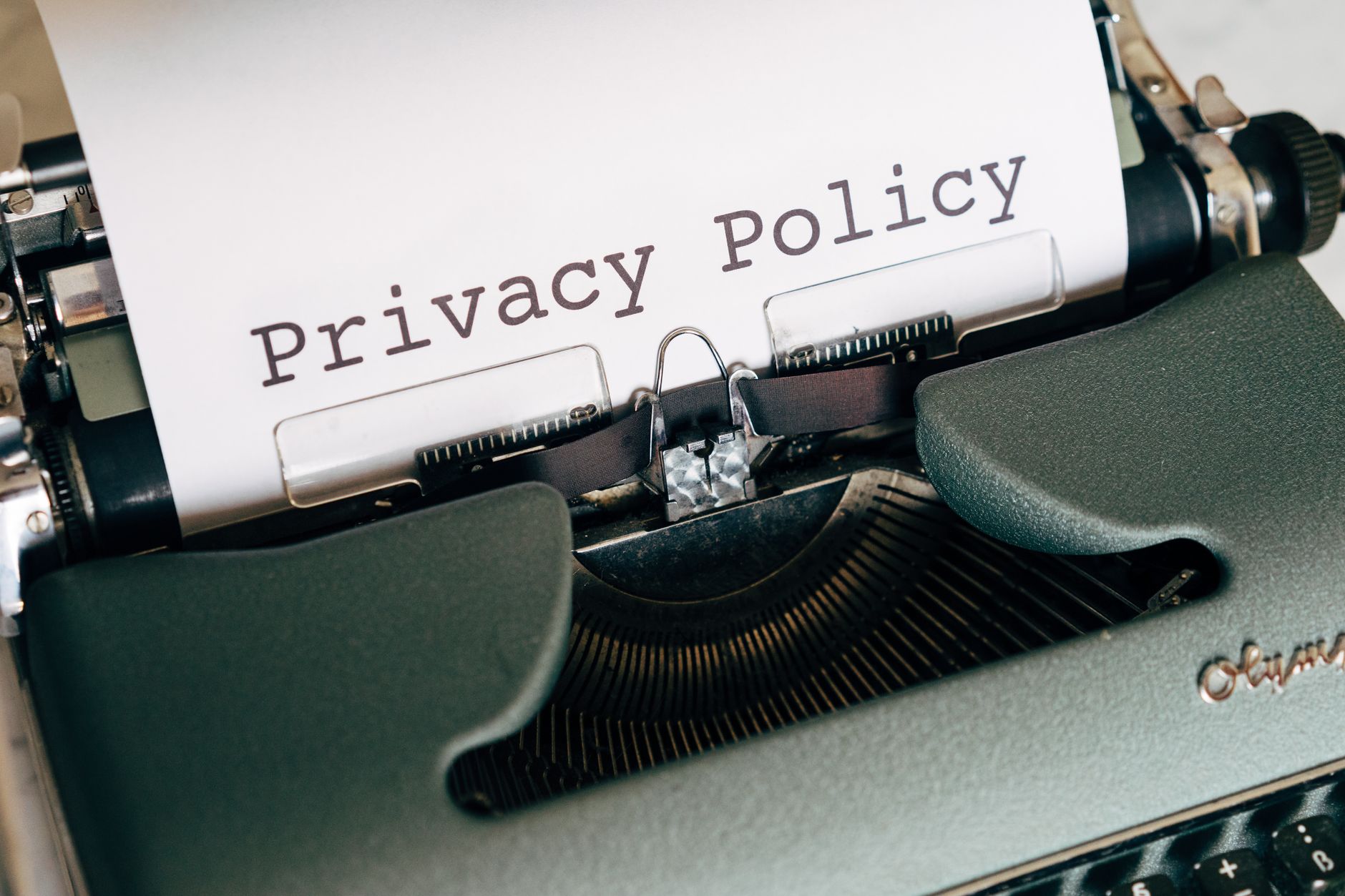
privacy laws are becoming increasingly important in today’s digital age. Understanding these regulations can help individuals and businesses protect their sensitive data from unauthorized access and misuse.
Understanding Privacy Laws
Privacy laws are designed to protect individuals’ personal information from misuse and unauthorized access. These regulations vary by country and often establish guidelines for how businesses and organizations must handle sensitive data.
Understanding privacy laws is crucial for both consumers and companies. Here are some key aspects:
- Scope of Regulation: Privacy laws define what constitutes personal data and the extent of protection provided.
- Consent: Many regulations require explicit consent from individuals before their data can be collected or processed.
- Data Breach Notifications: In the event of a data breach, organizations may be required to notify affected individuals promptly.
- Rights of Individuals: Privacy laws often grant individuals rights, such as access to their data and the ability to request deletion.
As technology evolves, so do privacy laws, reflecting the growing importance of safeguarding personal information in a digital age.
The Importance of Data Protection
The importance of data protection cannot be overstated in today’s digital age. As individuals increasingly rely on technology for daily tasks, the risk of personal information being mishandled or leaked has risen significantly. Privacy laws play a crucial role in safeguarding sensitive data and ensuring that organizations are held accountable for their actions.
Effective data protection measures not only shield users from potential harm but also foster trust between consumers and businesses. When companies demonstrate a commitment to privacy, they are more likely to attract and retain customers who prioritize their personal information’s safety.
Furthermore, strong privacy laws can help mitigate the growing threat of cyberattacks, which often target unprotected data. By adhering to these regulations, organizations can implement robust security protocols that protect against data breaches.
- Increased consumer confidence leads to brand loyalty.
- Compliance with privacy laws reduces legal liabilities.
- Better data management enhances operational efficiency.
Ultimately, the emphasis on data protection is essential for creating a safer online environment for all users.
Common Misconceptions About Privacy
As the conversation around privacy laws continues to evolve, several common misconceptions persist that can hinder effective data protection.
- Privacy laws are too complex to understand: Many people believe that the regulations surrounding privacy are overwhelmingly complicated. In reality, most privacy laws are designed to be accessible and provide clear guidelines for both individuals and businesses.
- Only large companies need to worry about privacy laws: This misconception overlooks the fact that privacy laws apply to organizations of all sizes. Small businesses and freelancers are equally responsible for adhering to these regulations.
- Privacy laws eliminate all risks: While privacy laws aim to protect personal data, they cannot completely eradicate risk. Individuals must also take proactive steps to safeguard their own information.
- I don’t need to worry about privacy laws if I’m not doing anything wrong: Privacy laws are not just about preventing wrongdoing; they are fundamental to preserving individual rights and maintaining trust in digital interactions.
Addressing these misconceptions is crucial for fostering a culture of awareness and responsibility regarding privacy laws.
How Privacy Laws Affect Businesses
Privacy laws play a crucial role in shaping how businesses handle personal data. As regulations evolve, companies must adapt their practices to ensure compliance and protect consumer information.
These laws impose a variety of obligations on organizations, including:
- Data Collection Transparency: Businesses must inform customers about what data is being collected and how it will be used.
- Consent Requirements: Many privacy laws require explicit consent from users before collecting or processing their personal information.
- Data Security Measures: Companies are mandated to implement strong security protocols to safeguard data against breaches.
- Rights of Individuals: Consumers often have rights to access, correct, or delete their data, giving them more control over their personal information.
Failure to comply with these privacy laws can lead to severe penalties and damage to a business’s reputation. Therefore, understanding and implementing these regulations is essential for any organization aiming to build trust with its customers.
Recent Changes in Privacy Legislation
In recent months, there have been significant updates in privacy laws across various jurisdictions, reflecting a growing recognition of the need to safeguard personal data. These changes aim to address the evolving digital landscape and enhance consumer trust.
One of the most notable developments is the implementation of stricter regulations regarding data consent and transparency. Organizations are now required to provide clearer information about how personal data is collected, used, and shared. This includes:
- Enhanced user consent mechanisms: Companies must obtain explicit consent from users before processing their data.
- Increased penalties: Non-compliance with privacy laws can result in hefty fines, motivating businesses to prioritize data protection.
- Broader definitions of personal data: Legislators are expanding what constitutes personal data to include identifiers like IP addresses and location data.
As these privacy laws evolve, businesses must adapt their practices to comply with the new requirements while ensuring that they maintain the trust of their customers.
Best Practices for Compliance
As businesses navigate the complex landscape of privacy laws, adhering to best practices for compliance is essential. Understanding these practices can significantly mitigate risks associated with data breaches and non-compliance penalties.
- Conduct Regular Audits: Routine assessments of data handling processes help identify vulnerabilities and ensure compliance with current privacy laws.
- Implement Data Minimization: Collect only the data necessary for your operations, reducing the amount of sensitive information at risk.
- Enhance Employee Training: Regular training sessions ensure that all employees understand their responsibilities regarding data privacy and security.
- Establish Clear Privacy Policies: Transparent privacy policies help build trust with consumers and clarify how their data is managed and protected.
- Utilize Encryption: Encrypting sensitive data adds an extra layer of protection, making it more difficult for unauthorized individuals to access valuable information.
By adopting these best practices, organizations can better align themselves with evolving privacy laws and safeguard consumer data effectively.
Future Trends in Privacy Law
As the digital landscape continues to evolve, future trends in privacy law are becoming increasingly significant. Anticipated changes reflect a growing awareness of individual rights and the necessity for robust data protection frameworks. Legislators are likely to focus on enhancing privacy laws to keep pace with technological advancements and emerging threats.
One trend is the rise of comprehensive data protection regulations similar to the European Union’s General Data Protection Regulation (GDPR). Countries are beginning to adopt similar frameworks, which emphasize transparency and consumer control over personal data.
Another emerging trend is the incorporation of artificial intelligence in privacy compliance. AI tools are being developed to help organizations navigate complex regulations and automate data protection processes.
Additionally, there is a push for international cooperation on privacy standards, aiming to create a unified approach that transcends borders. As we move forward, these trends will shape how privacy laws are structured, impacting individuals and businesses alike.
Photo by Markus Winkler on Pexels
References
The Financial Express · Privacy law
You might also like
JW8 বাংলাদেশ পেমেন্ট পদ্ধতি গাইড – JW8 app · Gk444 online review – welcome bonus, payment options, mobile app & security for Bangladesh · Jeetbuzz কি জানবেন? বাংলাদেশে সম্পূর্ণ গাইড