


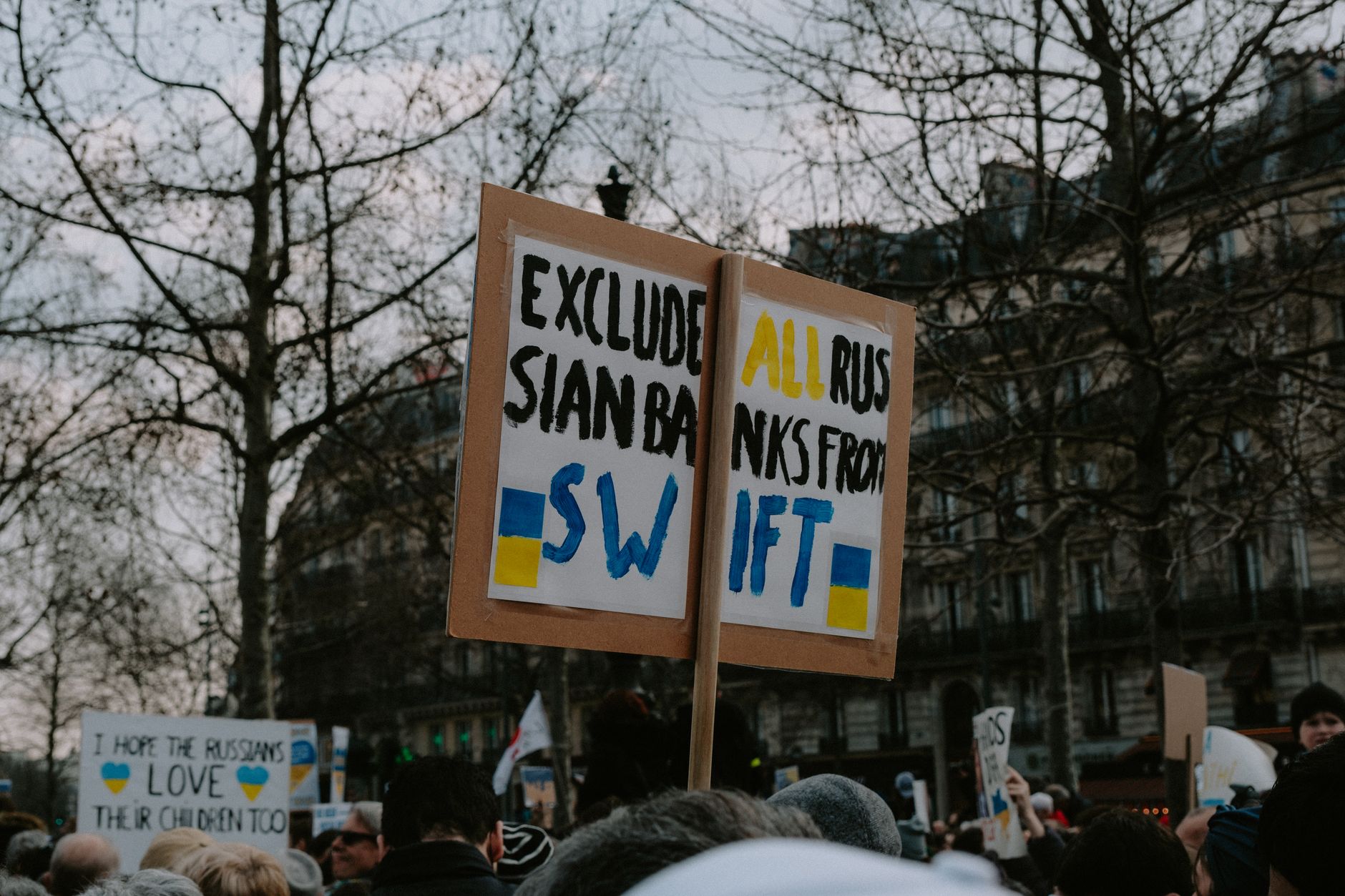
Russia-related sanctions have been waived by Trump just before a new law takes effect, stirring debates about legality and international repercussions.
Overview of Trump’s Sanction Waiver
The recent decision by former President Trump to waive key Russia-related sanctions has sparked significant debate among policymakers and analysts. This move, made just before the enactment of new legislation aimed at tightening sanctions, raises questions about its implications for U.S. foreign policy.
Critics argue that the sanctions waiver undermines the intended pressure on Russia, potentially allowing it to strengthen its geopolitical position. Supporters of the waiver contend that it could facilitate diplomatic negotiations, although many remain skeptical about this approach.
As the new law is set to take effect, the long-term effects of Trump’s decision are still unclear. The upcoming months will be crucial in determining whether this waiver will have lasting repercussions on U.S.-Russia relations.
In summary, Trump’s decision on Russia-related sanctions could be perceived as one of his most controversial moves, potentially altering the landscape of international diplomacy.
Implications of Waiving Sanctions
The decision to waive Russia-related sanctions has raised significant concerns among political analysts and foreign policy experts. Critics argue that this move undermines the United States’ commitment to holding Russia accountable for its actions. The implications of such a waiver could be far-reaching.
Some potential consequences include:
- Weakening of International Alliances: Allies may perceive the waiver as a sign of inconsistency in U.S. policy, leading to tensions in international relations.
- Economic Impact: By lifting sanctions, U.S. companies might face increased competition from Russian entities, potentially harming domestic industries.
- Encouragement of Aggressive Behavior: Waiving these sanctions may embolden Russia to continue its controversial activities without fear of repercussions.
- Domestic Backlash: There may be political fallout, as constituents express dissatisfaction with perceived leniency towards Russia.
Overall, the decision has sparked a contentious debate about the future of U.S. foreign policy regarding Russia.
Legal Challenges Ahead
As former President Trump’s decision to waive key Russia-related sanctions draws scrutiny, legal challenges are anticipated from various sectors. The move has sparked concerns regarding its compliance with existing legislation and the potential implications for U.S. foreign policy.
Legal experts argue that Trump’s actions may violate the framework established by Congress, which aimed to impose strict measures against Russia in response to its aggressive actions on the global stage. The potential for litigation arises from several fronts, including:
- Congressional Pushback: Lawmakers are likely to challenge the waivers, asserting that they undermine legislative intent.
- State-Level Restrictions: Some states may initiate their own legal actions to uphold sanctions that align with their policies.
- International Repercussions: Allies could also seek clarity on how U.S. sanctions impact joint efforts against Russia.
The outcome of these legal battles could reshape the U.S. stance on sanctions and redefine the approach to Russia-related sanctions in the future.
Public Reaction to Sanction Changes
The recent decision by former President Trump to waive key Russia-related sanctions has sparked a significant public reaction. Many citizens are expressing concern over the implications of this move, viewing it as one of the worst decisions made during his administration.
Critics argue that the lifting of these sanctions undermines efforts to hold Russia accountable for its actions. A recent poll indicates that over 70% of respondents believe maintaining sanctions is crucial for national security. Meanwhile, supporters of the waiver claim it could foster better diplomatic relations.
- “This is a dangerous precedent,” said one political analyst.
- “We must prioritize the safety of our allies,” argued a concerned citizen.
- “The sanctions were put in place for a reason,” remarked a former diplomat.
As the public continues to voice their opinions, the debate surrounding Russia-related sanctions is far from over.
Historical Context of Russia Relations
Relations between the United States and Russia have been fraught with tension and complexity for decades, often influenced by geopolitical interests and historical events. The end of the Cold War in the early 1990s initially raised hopes for improved ties, but incidents such as the Russian annexation of Crimea in 2014 significantly strained relations. In response, the U.S. government imposed a series of Russia-related sanctions targeting key sectors of the Russian economy, including energy, finance, and defense.
These sanctions aimed to deter aggressive Russian actions while supporting international norms and alliances. Over the years, both Democratic and Republican administrations have grappled with the effectiveness and consequences of these measures. The political landscape shifted further with the rise of populism and varying attitudes toward Russia, complicating the narrative around sanctions and diplomatic engagement. As the Trump administration navigated these waters, the recent waiver of sanctions marked a pivotal moment in U.S.-Russia relations.
Details on the New Law
The new law, which is set to take effect shortly, aims to tighten Russia-related sanctions significantly. Legislators have expressed concern over the potential implications of Trump’s recent decision to waive these sanctions, which many view as detrimental to national security. The law introduces a series of measures intended to bolster economic pressure on Russia, including:
- Increased tariffs on Russian imports
- Expanded restrictions on technology transfers
- Enhanced scrutiny of financial transactions involving Russian entities
Supporters of the law argue that it represents a necessary shift in U.S. foreign policy, emphasizing the importance of a united stance against Russian aggression. They highlight that the waiver of Russia-related sanctions by Trump undermines these efforts and could embolden further hostile actions. As the law approaches implementation, its effectiveness will be closely monitored by both allies and adversaries on the global stage.
Potential Economic Impact
The recent decision by former President Trump to waive key Russia-related sanctions has raised concerns regarding potential economic repercussions. Analysts fear that this move could undermine global efforts to hold Russia accountable for its actions, particularly in light of ongoing geopolitical tensions.
Experts outline several potential impacts:
- Market Volatility: The waiver could lead to fluctuations in global markets as investors react to the uncertainty surrounding U.S. foreign policy.
- Trade Relations: Countries allied with the U.S. may reassess their economic partnerships with Russia, leading to a shift in trade dynamics.
- Energy Prices: With sanctions lifted, there may be an increase in Russian oil exports, potentially affecting global energy prices.
Ultimately, the long-term economic impact of the waiving of Russia-related sanctions will depend on the response from international leaders and the implementation of the new law.
Future of U.S.-Russia Relations
The future of U.S.-Russia relations remains uncertain following Trump’s controversial decision to waive key Russia-related sanctions. This move has raised questions about the broader implications for diplomatic ties and economic exchanges between the two nations.
Experts suggest that the waiver could undermine the United States’ position in future negotiations, as it may be perceived as a sign of weakness. Some analysts point to the potential for increased aggression from Russia, emboldened by the perceived lack of consequences for its actions.
Moreover, the inconsistency in U.S. foreign policy may lead to further complications. With the new law set to take effect, the U.S. government may find itself in a precarious position, trying to balance the need for strong sanctions while addressing domestic and international pressures.
- Negotiation Stalemates: Potential for deadlock in diplomatic discussions.
- Economic Uncertainty: Market reactions could be volatile.
- Public Sentiment: Growing calls for accountability in U.S. foreign policy.
Photo by Mathias Reding on Pexels