


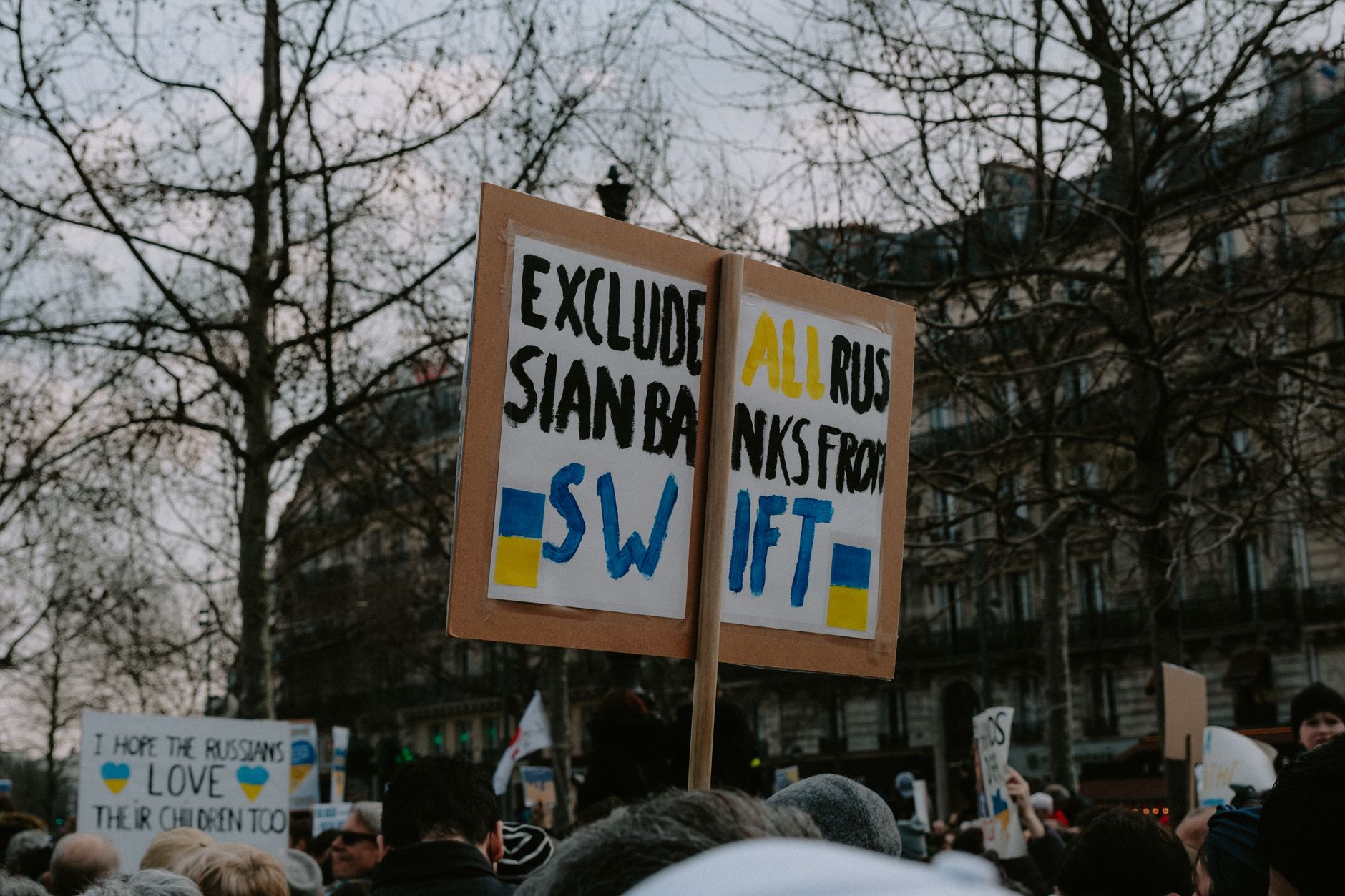
sanctions against Russia will be analyzed by Trump in 60 days, according to Rubio. This analysis aims to uncover the real impact of these sanctions on both nations.
Understanding Sanctions Against Russia
Sanctions against Russia have been a focal point of international relations since the onset of geopolitical tensions. These measures are designed to pressure the Russian government by limiting its economic activities and access to global markets. Understanding the implications of these sanctions is crucial for grasping their effectiveness and potential outcomes.
The primary objectives of sanctions against Russia include:
- Deterrence: Disincentivizing aggressive actions by the Russian government.
- Isolation: Reducing Russia’s influence in international affairs.
- Economic Impact: Harming the Russian economy to weaken its military capabilities.
In the coming months, officials, including Senator Marco Rubio, will analyze the real impact of these sanctions as they assess their effectiveness and potential adjustments necessary for future policy. The situation remains dynamic, and ongoing evaluations will be essential.
The Current State of U.S.-Russia Relations
The current state of U.S.-Russia relations remains tense, particularly in light of recent sanctions against Russia. These measures have been implemented to address various geopolitical concerns, including military aggression and cyber threats. As analysts monitor the situation, they note several key factors influencing the relationship between the two nations.
- Diplomatic Engagement: High-level talks have become increasingly infrequent, with both sides often exchanging accusations.
- Economic Consequences: The sanctions against Russia are expected to have a long-term impact on the Russian economy, particularly in sectors such as energy and finance.
- Public Sentiment: In both countries, public opinion towards the other has soured, complicating potential pathways to reconciliation.
As the international community watches closely, the next 60 days will be crucial in determining whether any progress can be made in U.S.-Russia relations.
What Are Economic Sanctions?
Economic sanctions are tools used by countries to influence the behavior of another nation, often in response to actions deemed unacceptable. These measures can take various forms, including trade restrictions, asset freezes, and financial penalties. The primary goal is to compel a change in policy or behavior without resorting to military action.
In the case of sanctions against Russia, the international community has implemented a range of measures aimed at addressing issues such as military aggression and human rights violations.
- Trade Restrictions: Limitations on the import and export of goods.
- Financial Penalties: Bans on financial transactions with specific Russian entities.
- Asset Freezes: Blocking access to assets held abroad by individuals and companies.
These sanctions aim to exert economic pressure on Russia, hoping to achieve diplomatic resolutions while minimizing harm to civilians.
The Role of Trump in Foreign Policy
Former President Donald Trump has been vocal about his stance on foreign policy, particularly regarding sanctions against Russia. As geopolitical tensions escalate, many are looking to Trump’s insights as the U.S. begins to assess the effectiveness of these sanctions.
In a recent statement, Senator Marco Rubio emphasized that Trump will analyze the impact of the sanctions against Russia within the next 60 days. This timeline aims to provide clarity on whether the economic measures are achieving their intended goals.
Key areas of focus for Trump include:
- The long-term economic ramifications for both the U.S. and Russia.
- The impact on international alliances and relations.
- Possible alternative strategies for dealing with Russia’s actions.
As the situation evolves, Trump’s perspective may shape future foreign policy decisions and responses to Russia’s ongoing aggression.
Potential Outcomes of Sanctions
The potential outcomes of sanctions against Russia are multifaceted and may unfold in several directions over the coming months. Analysts are closely monitoring the economic and political ramifications as the situation develops. Some possible outcomes include:
- Economic Pressure: Continued sanctions could lead to heightened economic strain on Russia, affecting key industries and the overall economy.
- Political Repercussions: Sanctions might provoke a shift in domestic support for the Kremlin, as citizens feel the impact of international isolation.
- International Relations: The effectiveness of these sanctions could alter Russia’s relationships with other nations, potentially leading to new alliances or increased hostilities.
- Policy Changes: The pressure from sanctions against Russia may compel the government to reconsider its foreign policy strategies.
As former President Trump analyzes these developments, the world watches closely to gauge the long-term effects on global stability.
Expert Opinions on Sanctions
Experts have weighed in on the effectiveness of sanctions against Russia, noting both short-term and long-term repercussions. Many analysts agree that the immediate impact is often limited but can lead to more significant consequences over time.
According to Dr. Elena Mikhailova, an economist specializing in international relations, “The true test of these sanctions will be visible in the coming months. While Russia has faced initial pressure, how it adapts will determine the sanctions’ ultimate success.”
Additionally, Dr. John Peterson, a political scientist, emphasized the importance of international unity: “Sanctions are more effective when implemented by a coalition of countries. If key players remain neutral, the efficacy diminishes.”
As discussions continue, many are looking towards the upcoming 60-day mark for a comprehensive analysis of the sanctions’ impact and potential adjustments in strategy.
Future of U.S.-Russia Diplomacy
The future of U.S.-Russia diplomacy remains uncertain as the fallout from sanctions against Russia continues to unfold. Analysts suggest that the next steps will be crucial in determining the trajectory of bilateral relations.
One key aspect is the potential for dialogue to resume, which could hinge on several factors:
- Economic Stability: The effectiveness of the sanctions may lead to changes in Russia’s economic landscape, prompting officials to reconsider their strategies.
- Geopolitical Pressures: Increased global scrutiny may push both nations to seek common ground on critical issues.
- Domestic Politics: Internal pressures within both countries could influence the willingness to engage diplomatically.
As the international community watches closely, the next 60 days will be pivotal in shaping the future of U.S.-Russia relations, with the repercussions of sanctions against Russia likely to play a significant role.
Photo by Mathias Reding on Pexels